Our festival ambassador Glenn Shive reflects on Interfaith Scotland’s Death Café for Scottish Interfaith Week:
All religions offer their faithful help in facing death, especially their own. This includes beliefs about death and human mortality. These religions offer practices for families and communities to prepare for the death of their members and support for the those who are bereaved.
Interfaith Scotland facilitates dialogues among religious groups throughout our nation. Death is universal to the human condition, but the various cultures and traditions in our midst “organize” rituals around the end of life in different ways. Interfaith Scotland brings us together around our common humanity to educate us about how we die, how we live with the death of our loved ones, and how we prepare for the end of our own lives. We may live beside each other in our respective religious communities, but we can and should support each other as individuals and across communities in coming to terms with the death of our loved ones, and indeed of ourselves.
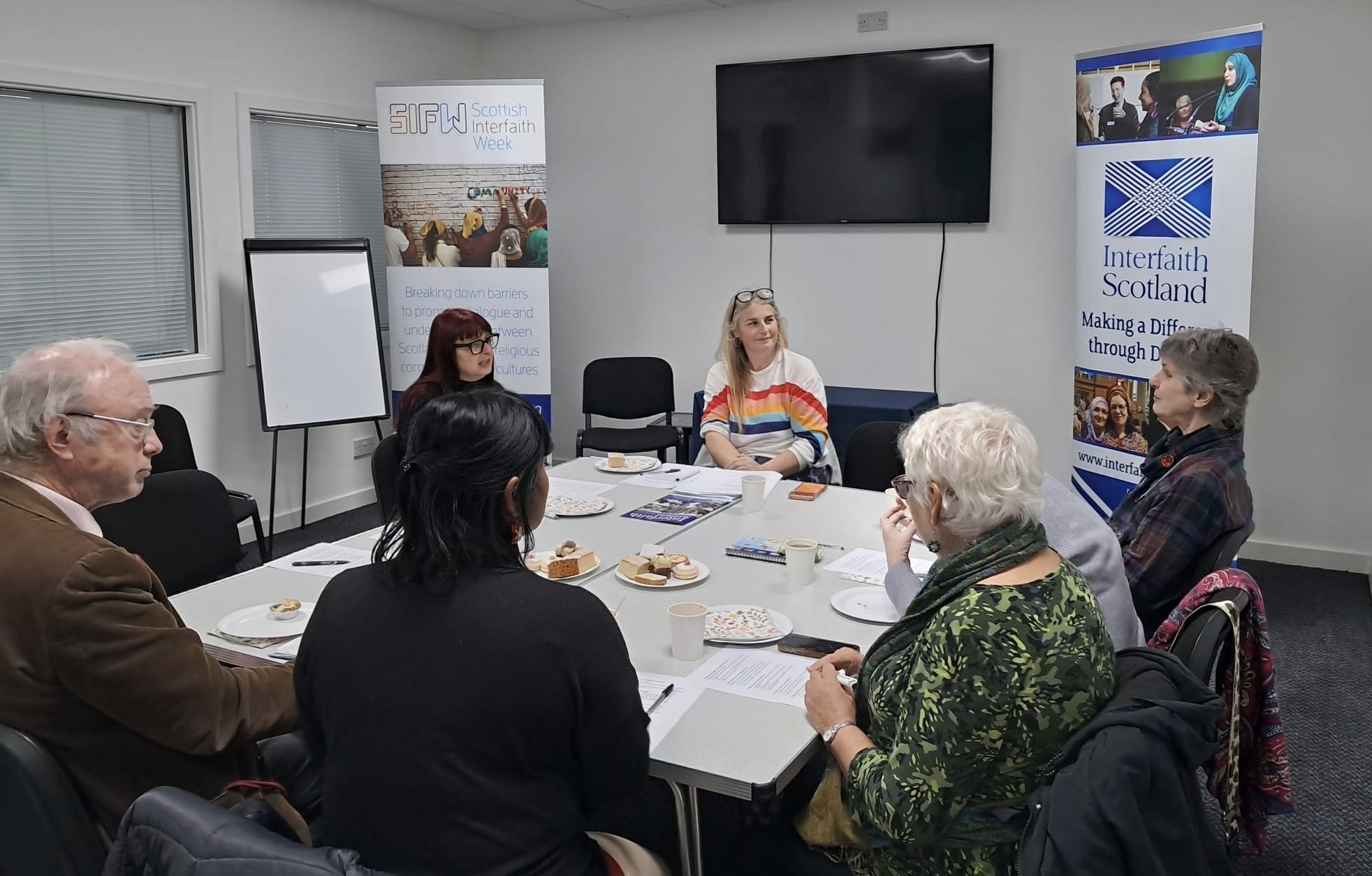
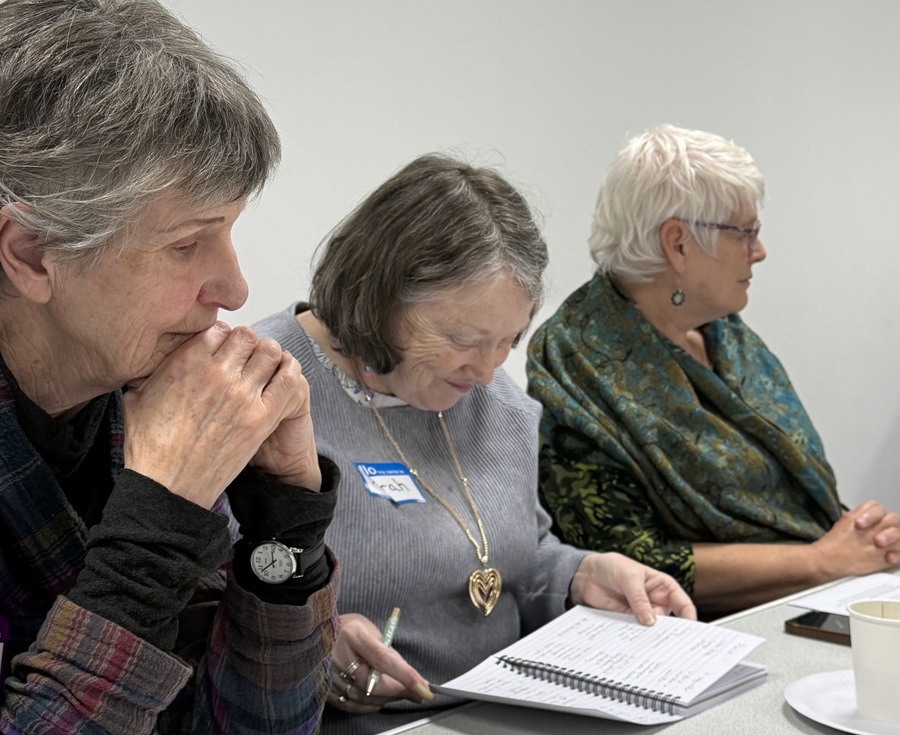
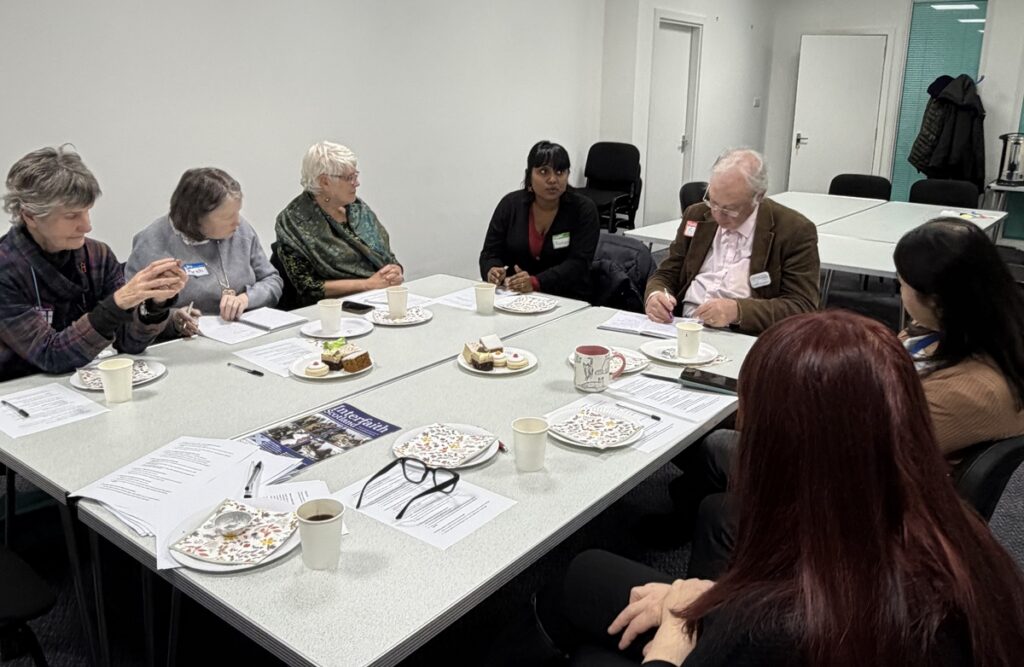
Scottish Interfaith Week creates safe and supportive meeting spaces where we can share our perspectives and attitudes across faith traditions about the end of life. Nicola Maule, herself a Buddhist, convened a multifaith group at the Interfaith Scotland offices in Glasgow during Scottish Interfaith Week to discuss death, dying and bereavement as experienced in the faith communities in Scotland. This included personal sharing about how we relate to our own deaths, how our respective faiths help us to prepare for our death, and how our communities support the living, even as we die.
What does a good death mean to you? we asked. A lively, candid discussion emerged from the circle. What has your faith and personal philosophy taught you (as children and as adults) about death and dying? Most faith and belief traditions were represented in the group. Does something of us continue after our physical demise? What spiritual practices help us to prepare for our mortality? How can we help our loved ones, whom we expect to leave behind when we die, deal with our terminal departure from this world?
Is it death that we mostly fear, or is it the process of dying? What is being prepared to die? How do we visualise the process? Where do these images come from? How does one’s pending death ask us the question: what is a good life? Do we hold ourselves to account “on the last day” for the lives we shall have lived? What is a good death, and how do we get there? What happens to regrets that we may have at the end of our lives?
Do we recover from the grief of loss, or do we learn to live beside it? How can we remember and celebrate the lives of our loved ones lost to death, both as interior experience and as public expressions of remembrance? We all remembered the Covid-19 lockdowns, which kept us apart from those we loved in their last days. How do we have the difficult conversations with our families and friends about death? How do we respect the wishes of the dead when families have different beliefs and concerns about living on without that person?
How do encounters with our mortality prompt us toward living a good life? Death can tear at the delicate bonds of our families, friends and communities. Can we bring death and dying out of our society’s shadows here in Scotland? We agreed that this would help us support each other, especially through the mutually respectful faith traditions that we embrace near, and indeed at, the end of our lives. Scotland is home to many faith traditions. Respecting them strengthens the coherence and compassion of our society.
Anyone who wishes assistance in convening a death café in your community is welcome to contact nicola@interfaithscotland.org. Interfaith Scotland has further resources for leading and guiding conversations in our communities about death, dying and bereavement.
About our ambassador
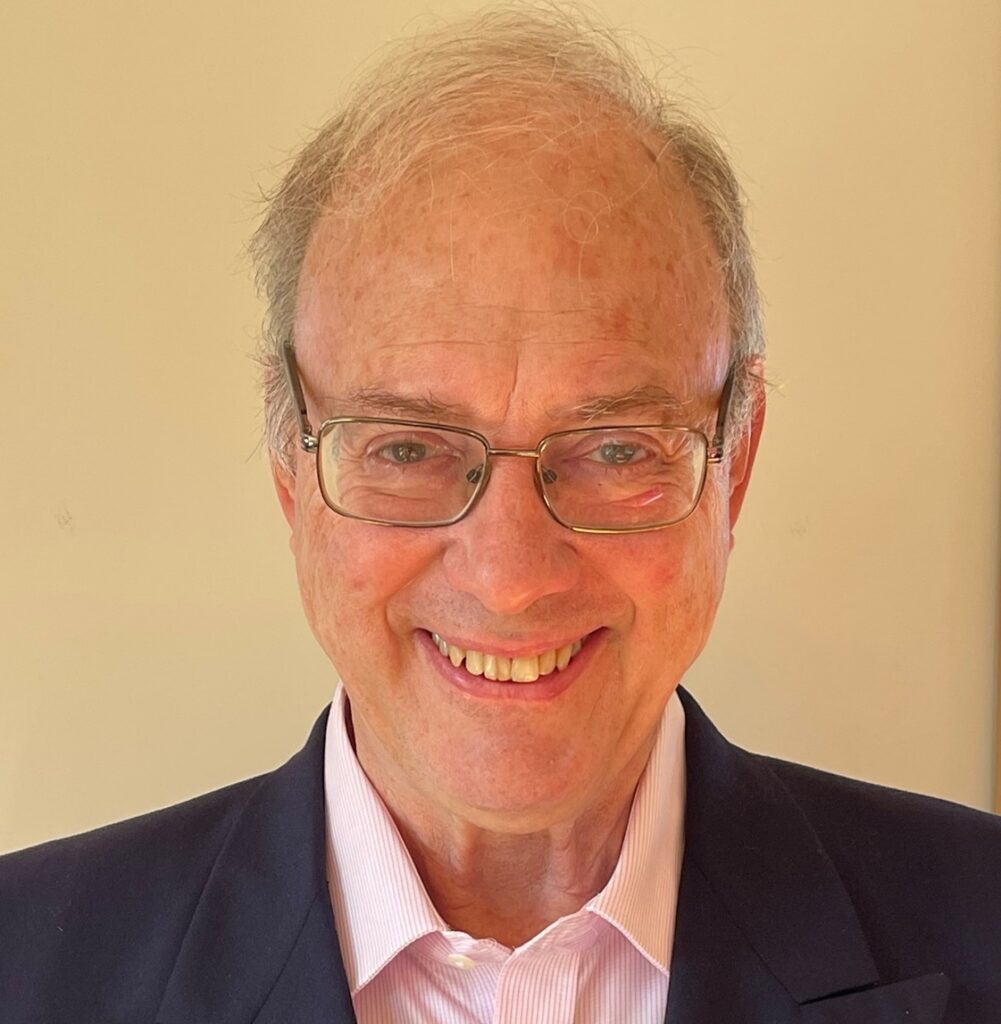 Dr. Glenn Shive has over 50 years of experience in international education, founding the Hong Kong America Center, which has served nearly 20,000 US–China students and scholars, and supporting Asian universities as VP of Programs at the United Board for Christian Higher Education in Asia. He served as Assistant Dean at the East-West Center in Honolulu and studied in Switzerland, Oxford, and the Free University of Berlin.
He studied Chinese in the US and China, taught at East China Normal University (ECNU), and researched Chinese higher education at Harvard’s Fairbank Center. Glenn lives in Crieff, Perthshire and volunteers with the Siobhans Trust of Dundee, which assists internally displaced people (IDPs) in war-ravaged Ukraine.